About LEXI

Cracking the code
Classification in para-sports creates a framework that enables competitive sport by placing athletes with affected movement, coordination, vision or intellect together in groups called classes.
Audiences have a short space of time in which to understand why athletes who appear to be affected in different ways, are grouped together.
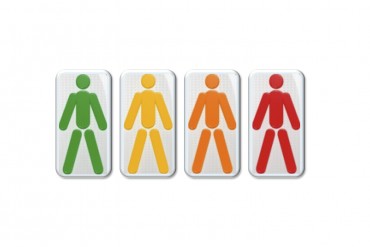
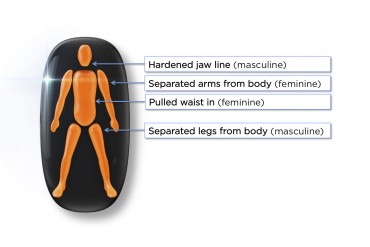
The quickest way to do this is with a picture and that is LEXI.
When an audience understands what class is they engage with the sport at a more profound level.
The inspiration
The inspiration for LEXI came at the Sydney 2000 Paralympic Games. Many TV viewers felt that some athletes were at an advantage because their impairment type meant they had a greater amount of available movement or coordination when compared with other competitors.
Racing was fair but confusion around why athletes were placed together was getting in the way of people enjoying the sport.
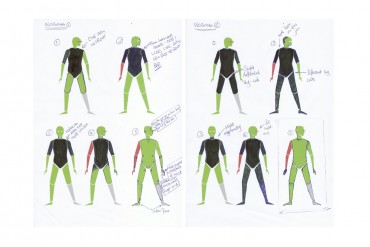
Giles Long had the idea to explain para-sport classification using a simple illustration graphic. It would tell people what they needed to know, when they needed to know it.
LEXI was born.
Developing the system in motion
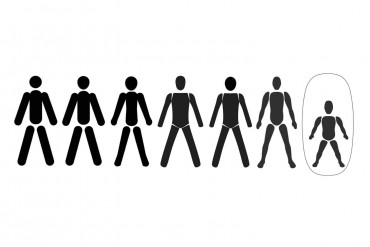
LEXI tells you:
-
What the class is
-
Who is in it
-
Why the athletes are grouped together
…after that, it’s on to the sport!
The aim of LEXI is not to create experts but instead to prevent people asking basic questions like: “Why is the swimmer with one arm racing against the swimmer with one leg?” – simple questions like this are answered before the sport starts.
Sport is centre stage
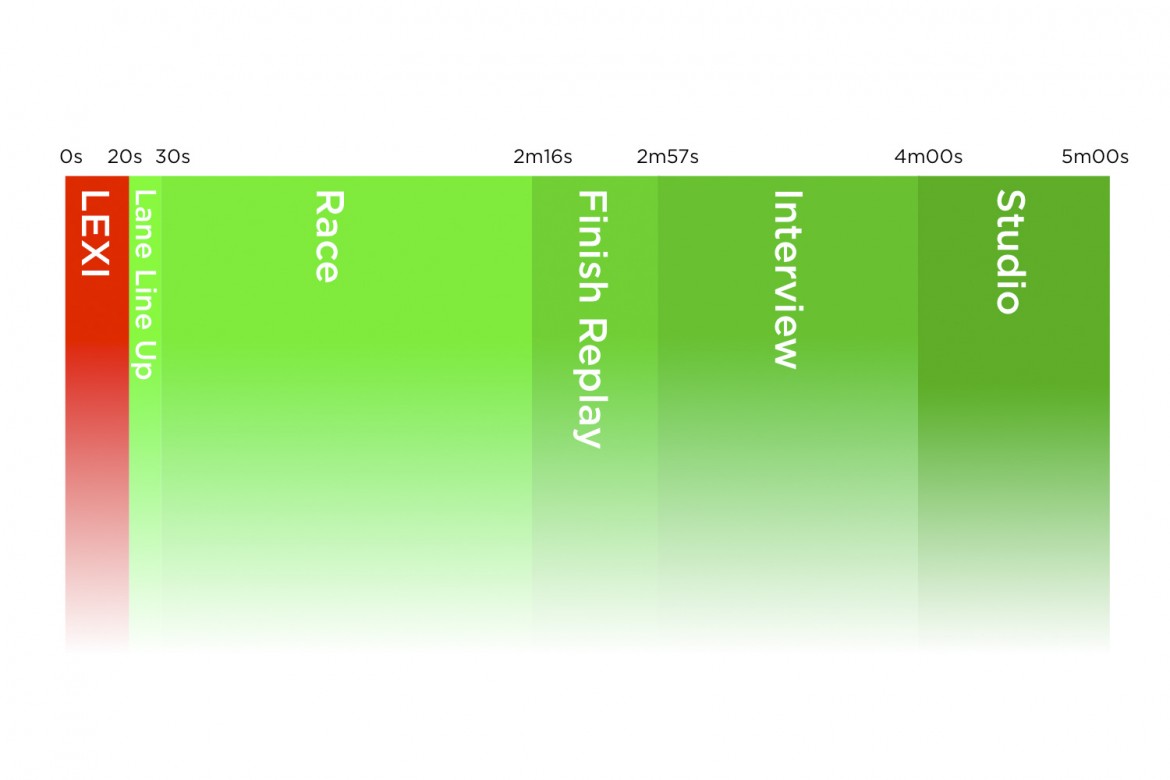
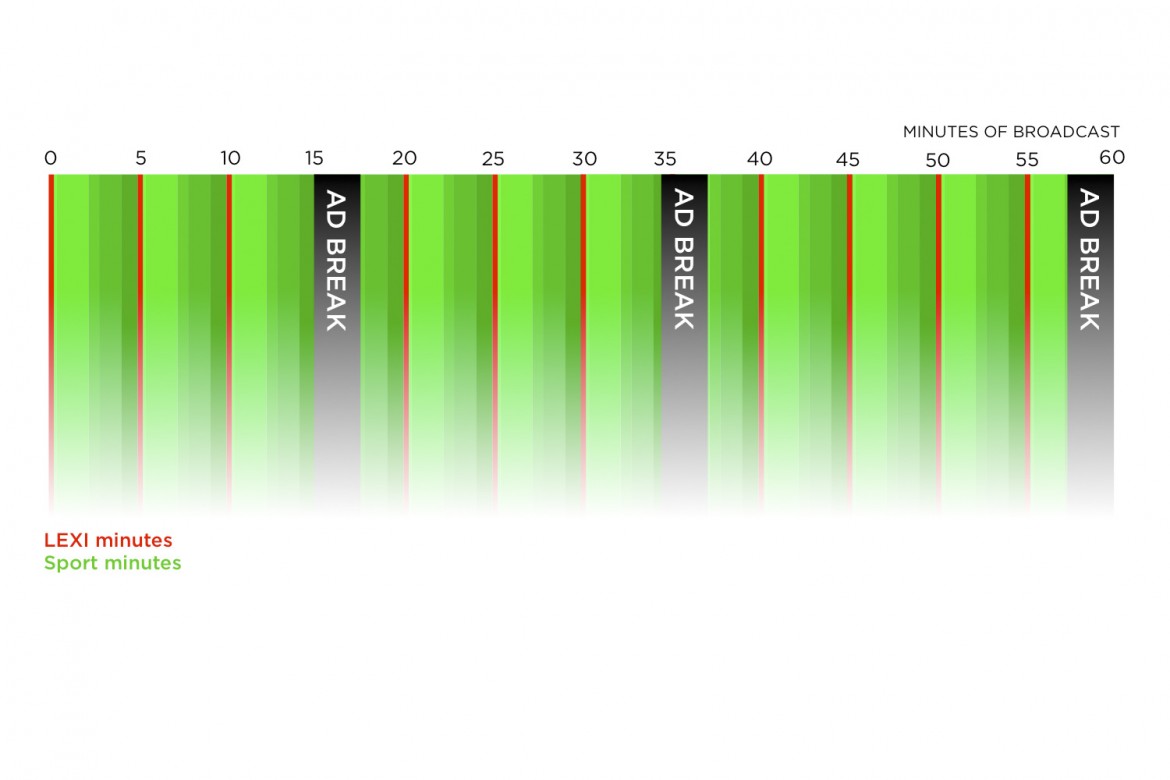
LEXI takes up a small part of the broadcast that unlocks the true potential of para-sport to captivate audiences around the world.